
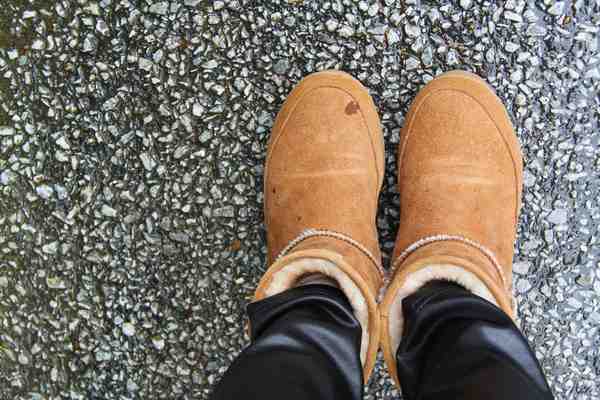
Suede boots look brilliant on a crisp autumn morning, but a British weather forecast can change before you reach the bus stop. A little drizzle need not mean leaving your favourite pair at home. The trick is understanding what suede boots waterproofing can realistically achieve, then choosing a treatment that protects the delicate surface without flattening its velvety finish.
A suitable protector helps rain bead on the surface and makes splashes easier to manage. It does not turn ordinary suede boots into wellies. Here is how to prepare, treat and maintain them safely.
Can You Really Waterproof Suede Boots?
Suede is leather with a raised, finely textured surface called the nap. Those fibres create its distinctive appearance, but also make it vulnerable to watermarks and dirt. A suede protector spray coats the fibres with a water-repellent treatment, reducing how readily moisture soaks in.
That is water resistance, not guaranteed waterproofing. Heavy rain can still reach stitching, zip openings or the join between upper and sole. If your boots have a waterproof membrane, surface protection can help stop the outer material becoming soaked, but cannot repair damaged seams.
For routine pavements, light showers and occasional puddle splashes, treatment can make a useful difference. For prolonged downpours or muddy walks, choose footwear designed for those conditions.
Choose a Protector Made for Suede
Check the label before using anything. Look for explicit suitability for suede or suede and nubuck; do not assume a general leather treatment will work. Ordinary leather polish, wax and oily conditioners can darken suede, bind its fibres and change its appearance.
There are two common approaches. Many aerosol protectors are applied to clean, dry suede and left to cure. Some specialist water-based treatments are designed for clean, damp footwear and require excess product to be wiped away. Follow the exact formula’s directions for application distance, drying time and coats.
Colour change is possible even with a compatible product, particularly on pale boots. Test an inconspicuous area near the inner heel and let it dry completely before treating the rest.
Prepare Your Boots Before Applying Protection
Remove dry dirt and lift the nap
Take out obstructive laces and put paper inside each boot to help retain its shape. Use a clean suede brush to remove dust and dried mud gently, working with the direction of the fibres. A suede eraser can help with a minor dry scuff.
Do not seal dirt beneath a fresh coating. For deeper cleaning, choose a suede-specific product and follow its instructions. Avoid machine washing or soaking the leather simply to make it look uniformly clean.
Check the surface and surroundings
For a dry-use spray, the boots must be completely dry. Work outdoors or wherever the product label specifies adequate ventilation, protecting nearby surfaces from overspray. Keep aerosols away from flames, sparks, children and pets. Never spray while wearing the boots.
How to Apply Suede Protector Spray Safely
Apply an even, controlled coat
Shake the container if directed. Hold it at the distance printed on its label; distances vary between products. Move smoothly across the suede, paying attention to the toe box, lower sides and seams, which catch road spray. Aim for even coverage, not a drenched surface.
For treatment intended for damp suede, use its prescribed method instead. Some formulas instruct you to apply to cleaned, wet footwear and remove surplus liquid shortly afterwards. Treating them like conventional dry-use aerosols may produce poor results.
Allow proper drying time
Leave the boots somewhere airy, away from radiators, hairdryers and strong sunlight. Heat can stiffen or distort leather. Respect the full drying or curing period on the label before wearing them outside.
If a second light coat is recommended, apply it at the specified stage. More product is not necessarily better: oversaturation can cause patches, stiffness or colour changes.
Brush gently once dry
When completely dry, lightly brush the nap to restore its soft appearance. If it looks matted, avoid aggressive scrubbing with a household brush. A gentle pass with a proper suede tool is a safer starting point.
What If Your Boots Get Caught in UK Rain?
Imagine a ten-minute walk to the station becoming a sudden shower. Treated boots might shed droplets across the toes yet pick up water around the welt or zip. Indoors, blot moisture with a clean cloth without rubbing, then stuff the boots with plain paper and dry them naturally.
Once fully dry, brush the fibres gently. Check for tide marks before applying another coat; spraying over a stain will not remove it. Stubborn marks may need a specialist cleaner or professional attention, especially on light-coloured boots.
For related maintenance, a guide to cleaning suede shoes is a useful companion. Knowing how to remove water stains from boots can also help after an unexpected downpour.
How Often Should You Reapply Waterproofing?
There is no reliable universal schedule. Boots worn occasionally in dry weather need less attention than a pair used on wet pavements several times weekly. Follow the product guidance and watch how the surface behaves. If clean suede no longer sheds droplets as it once did, protection may be fading.
Reapply after appropriate cleaning rather than layering product over grime. Brushing between wears and letting damp boots dry are just as important. A regular shoe care routine can help keep stitching, soles and laces in good condition.
Frequently Asked Questions
Does waterproofing spray change suede’s colour?
It can. Some formulas slightly darken or alter suede, particularly lighter shades. Always patch-test and wait for complete drying before treating the whole boot.
Can I wear waterproofed suede boots in heavy rain?
They may resist brief rain better than untreated boots, but most suede footwear is not designed for sustained wet conditions. A protector cannot stop water entering through openings or damaged seams.
Should I spray brand-new suede boots?
Often, yes, provided the boot maker allows it and the protector is compatible. Test an inconspicuous patch first and follow the label before wearing them outdoors.
Can I use a hairdryer to speed up drying?
No. Direct heat can damage suede and alter the boot’s shape. Use room-temperature airflow and allow adequate drying time.
Protect the Texture as Well as the Boots
The safest way to waterproof suede boots is to clean them carefully, choose a compatible product, follow its specific instructions and allow complete drying before brushing the nap. Think of protection as a buffer against everyday UK showers, not permission to stand in deep puddles. With realistic expectations and regular care, your boots can stay attractive and ready for the next unpredictable forecast.