
Britain’s autumn wardrobe is rarely built around one dramatic coat. A crisp September morning can turn mild by lunchtime, while an October walk home may involve wind and sudden showers. That changing forecast is exactly why autumn outerwear trends are interesting: the best jackets balance shape, texture and usefulness rather than simply looking good on a hanger.
For autumn 2026, the conversation moves between familiar British countryside influences, expressive bombers and sharper tailoring. The appeal is in choosing a silhouette that works with clothes you already own, then adjusting the layers underneath as temperatures fall.
The jacket shapes defining autumn style
Modern barn and field jackets
The barn jacket remains a natural fit for UK style. Its roomy cut, patch pockets and practical collar bring countryside references into everyday outfits without requiring a full heritage look. Olive, tobacco and deep navy versions feel especially adaptable, while corduroy collars add subtle texture.
Wear one over a fine jumper with straight-leg jeans and loafers, or use the relaxed proportions to soften tailored trousers. Traditional waxed cotton may offer weather resistance when properly maintained, but a fashionable cotton field jacket is not automatically waterproof. Check the fabric and care label before relying on it in rain.
Bombers with softer volume
Bombers are among the more playful autumn jackets this season. Alongside familiar nylon styles, look for rounded sleeves, cropped hems, plush trims and slightly exaggerated shapes. The contrast between a sporty jacket and a polished skirt or tailored trousers makes the silhouette feel fresh.
Funnel-neck jackets
The high, funnel-shaped neckline offers a neat alternative to a scarf on dry, breezy days. It also gives relatively simple outerwear an architectural quality, particularly when paired with a clean front and minimal hardware. Cotton parkas, wool-blend jackets and technical shells all use the detail differently.
Try closing the neck fully when testing a jacket. A stylish collar is less useful if it presses against your chin or restricts movement. It should sit comfortably over a lightweight knit.
Long, tailored coats
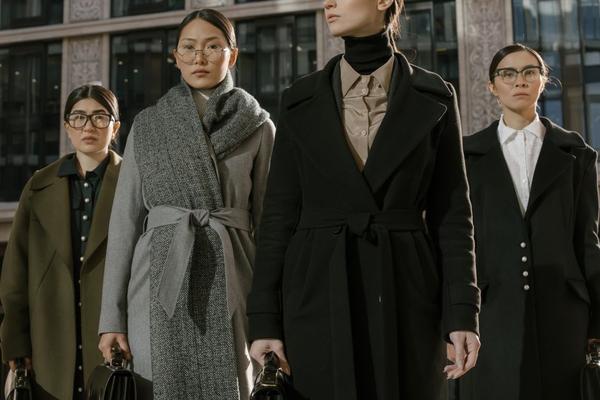
Not every autumn day calls for a short jacket. Single-breasted wool coats, belted styles and generous overcoats bring a more considered line to casual outfits. Dark charcoal, black and camel remain flexible choices, especially for people who move between work, travel and evening plans.
Look beyond the front view in the mirror. Can you sit comfortably? Does the coat move over a blazer? Is the hem sensible for your commute? A long wool coat offers warmth and polish, but it should not be mistaken for rainwear.
Leather looks and tactile finishes
Relaxed leather jackets and suede-effect finishes add depth to the season’s earthy palette. Rather than the tightly fitted biker shape, current styling often favours a boxier or gently oversized jacket that can accommodate knitwear. Chocolate brown, oxblood and olive provide alternatives to black.
Texture is appealing, but upkeep matters. Untreated suede is vulnerable to wet weather; faux suede and coated fabrics have their own care requirements. For an everyday UK wardrobe, choose a finish you can realistically maintain rather than one that needs constant protection.
Where fashion meets the British forecast
Autumn coats and jackets perform different jobs. A light trench can bridge a dry, mild afternoon and a cool evening, while a properly specified waterproof shell is the safer choice for persistent rain. A warm wool coat belongs in another part of the rotation. No single piece needs to handle every condition.
Trenches and weather-ready layers
The trench remains useful because it adds structure without necessarily adding much insulation. Longer cuts sit neatly over office clothes, while shorter versions feel less formal. Some trenches are water-resistant, but that is not the same as waterproof: seams, fabric treatment and construction determine how much rain they can handle.
For regular walks, cycling or exposed railway platforms, consider a hooded waterproof jacket with sealed seams and enough space for a jumper. Breathable fabrics, adjustable cuffs and a two-way zip can be more valuable than decorative pockets. Technical outerwear can still complement smart clothes when the cut and colour are restrained.
Colours and checks worth wearing beyond one season
The most wearable seasonal outerwear often uses a quiet base with one distinctive detail. Moss green, chocolate, stone, burgundy and deep blue sit comfortably beside existing denim and neutral knitwear. Heritage checks bring character to otherwise simple outfits, while a vivid lining or unusual collar can provide the season’s statement.
If your wardrobe already contains plenty of black, a rich brown jacket can create new combinations without demanding a complete colour overhaul. For more ideas on mixing these tones, a guide to autumn colour combinations makes a useful companion to jacket shopping.
A realistic three-outfit test before buying
Imagine a typical Manchester weekday: a chilly train platform, a heated office and a damp walk after work. A cropped suede-look jacket might suit the first part of the day but become inconvenient in rain. A relaxed field jacket with a thin wool layer works for a drier forecast; on a wet day, swap it for a waterproof shell instead.
Before purchasing, build three complete outfits with the candidate coat: one with jeans, one with your usual workwear and one with a warmer mid-layer. Photograph each from the side as well as the front. If the sleeves bunch badly, pockets gape or the shoulders stop you reaching forward, the shape is unlikely to improve with wear.
This approach also helps identify what is missing. You may need a light everyday jacket rather than a third heavy coat. An autumn capsule wardrobe checklist can make that decision clearer, while practical layering outfits for changeable weather offer useful ways to wear the pieces together.
Frequently asked questions
What jackets are in style for autumn 2026 in the UK?
Prominent directions include roomy barn jackets, expressive bombers, funnel-neck designs, relaxed leather looks and longer tailored coats. These are styling directions, not rules; the best choice depends on your wardrobe and daily routine.
Is a trench coat warm enough for UK autumn?
It can work in milder weather, especially over knitwear, but most lightweight trenches provide limited insulation. As temperatures drop, add a suitable layer or switch to a warmer coat. Check its rain protection separately.
What colour autumn jacket is easiest to style?
Olive, navy, charcoal and chocolate brown are versatile choices. Pick a shade that complements the trousers, shoes and knitwear you wear most often rather than following a colour trend in isolation.
Do I need a waterproof jacket as well as a wool coat?
If you regularly spend time outdoors in wet weather, having a genuinely waterproof option is sensible. Wool coats are useful for warmth and appearance, but they are not substitutes for dedicated rain protection in sustained showers.
The lasting appeal of good autumn outerwear
UK jacket trends may shift from one silhouette to another, but the strongest purchases combine personality with a clear purpose. Choose the shape you enjoy wearing, check how it moves over your usual layers and be realistic about rain. A well-chosen jacket should make an ordinary autumn morning easier to dress for, not more complicated.