Denim has a way of staying in our lives longer than most fabrics. A pair of jeans may stop fitting, a jacket may lose its shape, or a pocket may tear beyond easy repair, but the material itself often remains strong, textured, and full of character. That is exactly why old denim is such a good candidate for creative reuse. It already carries softness from wear, faded edges from time, and a kind of everyday personality that new fabric rarely has.
Upcycling denim ideas are not just about making something “crafty” from old jeans. They are about seeing fabric differently. Instead of treating worn-out denim as waste, you can turn it into something useful, decorative, personal, or even surprisingly stylish. From home accessories to wearable pieces, denim gives you plenty of room to experiment without needing to be a professional designer.
Why Denim Works So Well for Upcycling
Denim is one of those rare fabrics that looks better when it ages. Faded knees, frayed hems, worn pockets, and softened seams all add texture rather than taking away from it. This makes old jeans, jackets, skirts, and shirts perfect for upcycling projects, especially when you want the finished piece to feel relaxed and lived-in.
Another reason denim works well is its strength. Even when a pair of jeans is no longer wearable, large sections of the fabric may still be sturdy enough for bags, cushion covers, organizers, patchwork, or small home items. The heavier weight gives structure, while thinner denim shirts can be used for softer pieces like bows, trims, fabric flowers, or lightweight accessories.
There is also a certain freedom in working with old denim. Since the item is already unused or damaged, there is less pressure to make everything perfect. A slightly crooked stitch, a rough edge, or an uneven patch often adds to the charm. Denim is forgiving in that way.
Turning Old Jeans Into Everyday Tote Bags
One of the most practical ways to reuse denim is by turning old jeans into a tote bag. The upper part of jeans already has structure, pockets, belt loops, and a recognizable shape, which makes it easy to imagine as a casual carryall. The back pockets can remain as outer compartments for keys, receipts, or small items, while the legs can be cut and used to create handles.
A denim tote does not need to look overly polished. In fact, it often looks better when it keeps some of the original details. A faded waistband, contrast stitching, or a small worn patch can make the bag feel unique. For a cleaner finish, the inside can be lined with cotton fabric, but an unlined version can work well too if the seams are strong.
This is one of those upcycling denim ideas that feels genuinely useful. It is not just decorative; it becomes something you can take to the market, library, gym, or a casual day out.
Making Patchwork Cushions With Denim Scraps
Small denim pieces are perfect for patchwork cushions. If you have more than one pair of old jeans in slightly different shades, the result can look especially interesting. Pale blue, deep indigo, grey denim, and black denim can be arranged together to create a soft, layered look.
Patchwork cushions work nicely because denim has natural variation. You can use squares, rectangles, strips, or irregular shapes depending on the style you prefer. A more structured pattern gives a neat, modern feel, while mixed shapes create something more relaxed and handmade.
The finished cushion can add texture to a sofa, reading chair, bedroom bench, or floor seating area. Denim pairs well with neutral interiors, wood tones, woven baskets, and casual cotton fabrics. It also holds up well in busy homes, which is always a bonus.
Creating Denim Wall Pockets and Organizers
Old jeans come with built-in pockets, and those pockets are too useful to waste. One simple idea is to cut out several pockets and stitch them onto a larger piece of denim or canvas to create a wall organizer. This can be hung near a desk, entryway, sewing corner, or children’s room.
The pockets can hold pens, scissors, chargers, notebooks, small tools, hair clips, sunglasses, or craft supplies. Belt loops can also be reused to hang keys or lightweight accessories. It is a practical project, but it has a casual visual appeal too.
This kind of organizer feels especially nice because it keeps the original identity of the jeans. You can still see the stitching, rivets, and shape of the pockets, but they now serve a completely different purpose.
Refashioning Jeans Into Shorts or Skirts
Sometimes the simplest upcycling project is also the most wearable. If jeans are damaged at the lower leg but still fit well around the waist and hips, they can be cut into shorts. A raw hem gives an easy summer look, while a folded and stitched hem feels more finished.
Old jeans can also be turned into a skirt, especially if the fabric around the upper part is still in good condition. This project takes a bit more patience because the inner leg seams need to be opened and reshaped, but the result can be worth it. Denim skirts made from jeans often have a relaxed, slightly vintage feel that is hard to find in new clothing.
The key is to work slowly and try the piece on during the process. Denim can shift in unexpected ways once seams are opened, so small adjustments make a big difference.
Using Denim for Aprons and Craft Smocks
Denim is naturally suited for aprons because it is durable and protective. An old pair of jeans or a denim shirt can become a gardening apron, kitchen apron, painting smock, or craft apron. The pockets can be kept for holding tools, seed packets, brushes, or measuring spoons.
A denim apron does not have to be complicated. A rectangular piece cut from the leg of wide jeans can become the main panel, while strips from the remaining fabric can be used as ties. If you are using a denim shirt, the front buttons can become part of the design, giving the apron a casual, useful shape.
This project is a good reminder that upcycling does not always need to create something delicate or decorative. Sometimes the best new use is something hardworking.
Making Small Accessories From Denim Pieces
Even small scraps of denim can become something charming. Hair bows, fabric bookmarks, keychains, coin pouches, patch badges, and phone sleeves can all be made from leftover fabric. These projects are ideal when you do not have enough material for a larger item but still want to avoid throwing usable pieces away.
Denim also works well with embroidery, lace, buttons, beads, or printed fabric. A plain scrap can become more personal with a stitched initial, a tiny flower design, or a contrast fabric edge. Since these accessories are small, they are also good practice pieces for people who are new to sewing.
There is something satisfying about using every last bit of fabric. Even the seams and hems can be cut into strips for ties, loops, or decorative edging.
Turning Denim Into Table Mats and Coasters
Denim table mats bring a casual, textured look to everyday dining. The fabric is thick enough to protect surfaces, and it can be layered for extra weight. You can create simple rectangular placemats from jean legs or use patchwork pieces for a more playful design.
Coasters are even easier. Small squares or circles of denim can be stitched together in two or three layers. The edges can be left slightly frayed for a rustic look, or finished neatly with stitching. Dark denim creates a simple, modern effect, while mixed shades feel more handmade and relaxed.
These items are especially good for outdoor meals, picnics, or informal family tables. They are washable, reusable, and not too precious, which makes them practical for real life.
Giving Denim Jackets a Second Life
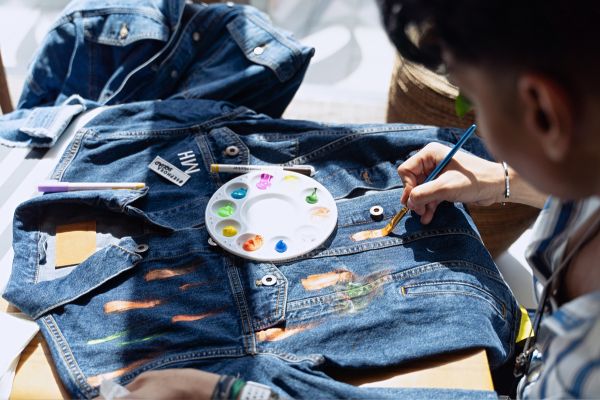
A denim jacket that feels too plain, too old, or slightly outdated can often be refreshed instead of replaced. Patches, embroidery, fabric panels, hand-painted designs, or contrast stitching can completely change its mood.
The back panel of a jacket is a great space for creativity. You might add a piece of patterned fabric, a stitched design, or a subtle patchwork arrangement. Sleeves can be shortened, cuffs can be changed, and collars can be softened with a different fabric.
The nicest thing about updating a denim jacket is that it remains wearable while becoming more personal. It does not need to follow a trend. It can reflect your own taste, your favorite colors, or even small memories attached to other fabric scraps.
Creating Denim Planter Covers and Storage Baskets
Denim can also be used around the home in small decorative ways. A sleeve from an old pair of jeans can become a simple cover for a plant pot, jar, or storage container. The texture gives warmth to plain objects and works especially well with greenery.
For storage baskets, denim can be stitched into soft boxes for holding toys, fabric scraps, socks, bathroom items, or craft materials. Heavier denim gives better shape, while lighter denim may need lining or interfacing to stand properly.
These projects are useful when you want your upcycled pieces to blend into daily life rather than look like obvious craft items. A denim-covered jar on a desk or a small basket on a shelf can feel casual, neat, and quietly creative.
Using Denim as Patches for Other Clothes
One of the most traditional uses for old denim is patching, but it can still feel fresh when done thoughtfully. Denim patches can repair knees, elbows, pockets, bags, or worn areas on work clothes. Instead of hiding the repair completely, you can make it visible and intentional.
Visible mending has a beauty of its own. A patch in a contrasting denim shade, stitched with thick thread, can make clothing feel more interesting rather than damaged. This approach also encourages a healthier relationship with clothes. Instead of discarding something as soon as it shows wear, you repair it and allow it to keep going.
It is a small act, but a meaningful one.
Adding Personal Details Through Embroidery and Paint
Denim is a wonderful surface for personal details. It holds embroidery well, and fabric paint can create strong designs on jackets, bags, pockets, or patches. Simple flowers, stars, initials, abstract shapes, or tiny stitched borders can make old denim feel new again.
The key is not to overthink it. A small hand-stitched design on a pocket can be just as lovely as a large decorative piece. In fact, subtle details often feel more wearable. For people who enjoy slow, quiet projects, embroidery on denim can be especially satisfying because the fabric feels steady in the hand.
These personal touches turn upcycling into more than reuse. They make the finished item feel connected to you.
How to Prepare Denim Before Upcycling
Before starting any denim project, it helps to wash and dry the fabric. Old jeans may carry dust, body oils, or storage smells, and clean fabric is easier to cut and sew. After washing, check the fabric carefully. Some areas may be too thin for structured projects but still usable for decorative details.
Use sharp scissors because denim can be tough to cut, especially around seams. It is also worth saving parts like pockets, waistbands, belt loops, buttons, and zippers. These details can be reused in creative ways and often give the finished project more character.
If sewing by machine, use a needle suitable for thicker fabric. If sewing by hand, a strong needle and durable thread will make the work easier. Denim rewards patience, so there is no need to rush.
Conclusion
Old denim has a quiet kind of potential. It may look tired as a pair of worn jeans or an outdated jacket, but once you cut, stitch, reshape, or decorate it, the fabric begins another chapter. That is the real beauty behind upcycling denim ideas: they help you make something useful and personal from material that might otherwise be forgotten.
Whether you turn jeans into a tote bag, stitch scraps into cushions, create organizers from pockets, or simply patch another piece of clothing, each project carries a little history with it. Denim already knows how to live a full life. Upcycling just gives it a chance to keep going in a new form.