The First Stitch Is an Idea
To build a fashion brand from scratch, you do not begin with a logo, a photoshoot, or even a rack of finished clothes. You begin with a point of view. Fashion is crowded, yes, but it is not crowded with your exact taste, your lived experience, your way of noticing fabric, fit, color, culture, and mood. That is where a real brand starts.
A fashion brand is more than clothing with a name sewn inside. It is a feeling people recognize before they read the label. It might be quiet and minimal, bold and street-inspired, romantic and handmade, or practical enough to live in every day. The important thing is that it feels specific. When a brand begins without a clear emotional center, every later decision becomes harder. The designs wander. The audience feels vague. The collection tries to please everyone and ends up speaking to no one.
So before anything else, sit with the idea. What kind of clothes do you want to exist in the world? Who do you imagine wearing them? What problem, mood, or desire are you responding to? A strong fashion brand often grows from something personal: frustration with poor fit, love for a cultural craft, a gap in modest fashion, sustainable basics, size-inclusive pieces, or clothes that make daily dressing feel less dull. That starting point matters because it gives the brand a spine.
Understanding the Person You Are Designing For
Fashion can look dreamy from the outside, but at its heart, it is deeply practical. Someone has to wear the garment, wash it, style it, move in it, pay for it, and feel something in it. That person should be clear in your mind long before you produce anything.
This does not mean creating a flat “target customer” with a made-up age and income. It means understanding real habits. What does this person struggle to find? Do they need clothes for work, weekends, weddings, travel, school runs, gym-to-street dressing, or special occasions? Do they care more about comfort, uniqueness, price, durability, trend, or ethical production? What brands do they already buy from, and what still feels missing?
When you know the wearer, your choices become sharper. You can decide whether your fabric should feel structured or soft, whether your silhouettes should be relaxed or tailored, whether your sizes need extra attention, and whether your price point matches the life of the person you hope to dress.
A brand that understands its wearer feels grounded. It does not chase every trend because it knows what belongs and what does not.
Building a Visual and Emotional Identity
Once the idea is clear, the brand identity begins to take shape. This includes the name, colors, typography, imagery, tone, packaging, and the general atmosphere around the clothes. But identity should never feel pasted on. It should grow naturally from the clothes and the story behind them.
If your brand is inspired by soft tailoring and calm everyday dressing, the identity may need quiet colors, clean photography, and simple language. If the clothes are expressive, experimental, or youth-driven, the identity can carry more energy. The goal is not to look expensive or trendy for the sake of it. The goal is to look honest to the world you are creating.
A good exercise is to create a mood board, but not only with fashion images. Add interiors, street photos, old magazine pages, textures, film stills, architecture, art, and natural colors. Fashion is influenced by everything. Sometimes the perfect direction for a brand is hidden in the color of a wall, the mood of a rainy street, or the way someone layers clothes without trying too hard.
Designing a Small but Focused First Collection
One of the most common mistakes new fashion founders make is trying to launch too much at once. A large collection feels exciting, but it also brings more cost, more production risk, more inventory, and more room for confusion. A smaller collection is often stronger because every piece has to earn its place.
Your first collection should feel like a clear introduction. It might include a few signature garments, a hero piece, and some supporting items that help people understand the styling world of the brand. The pieces should sit together naturally. If someone sees them side by side, they should feel like they belong to the same story.
This is where restraint becomes useful. You may have twenty ideas, but not all of them need to appear in the first drop. Save some for later. Fashion brands grow through rhythm, and a thoughtful beginning is better than an overloaded one.
Choosing Fabrics, Fit, and Quality Carefully
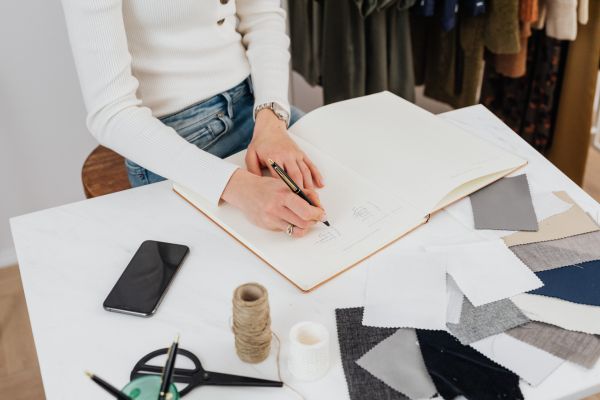
A sketch can be beautiful, but fabric tells the truth. The same design can look refined or cheap depending on material, finishing, stitching, and fit. If you want to build a fashion brand from scratch with lasting potential, you need to take product development seriously.
Start by learning basic fabric behavior. Cotton, linen, viscose, denim, wool, silk, polyester, and blends all move differently. Some wrinkle easily. Some shrink. Some drape beautifully but need careful sewing. Some look good at first and age badly. Fabric choice affects comfort, pricing, production, and customer satisfaction.
Fit is just as important. Many new brands focus on aesthetics and underestimate how much people care about how clothing feels on the body. A dress that looks good on a hanger but pulls at the bust will disappoint. Trousers with the wrong rise may sit awkwardly. A shirt with stiff armholes may never become someone’s favorite, no matter how nice the print is.
Sampling is where these problems show up. Expect to revise. A first sample is rarely perfect. Good fashion work often looks effortless only because someone spent time fixing the small things no one notices until they are wrong.
Finding the Right Production Path
Production can happen in different ways, and there is no single correct route. Some brands begin with handmade pieces, local tailors, small studios, or made-to-order systems. Others work with manufacturers that handle larger quantities. The right choice depends on your budget, product type, timeline, and how much control you need.
For a new brand, small-batch production can be a sensible way to begin. It reduces the risk of being left with unsold stock and allows you to learn from customer response. Made-to-order can also work well for certain categories, especially if the pieces are special, customized, or slower to produce. Larger manufacturing may become useful later, once demand is clearer.
Communication with makers matters. Tech packs, measurements, reference samples, fabric details, trims, labels, and finishing instructions need to be clear. Fashion production becomes messy when details live only in someone’s head. The more specific you are, the fewer surprises you will face.
Pricing Without Losing the Reality of the Work
Pricing fashion is not only about what competitors charge. It has to reflect material cost, labor, sampling, packaging, photography, shipping, taxes, platform fees, returns, and the time required to run the brand. At the same time, the price must make sense to the person buying the item.
This balance can feel uncomfortable at first. Many new designers underprice because they worry no one will buy. But if prices do not cover the real cost of making and maintaining the brand, the project becomes exhausting very quickly. Fashion already has enough hidden labor. Pretending it costs less than it does helps no one.
A thoughtful price is not just a number. It tells the customer what kind of product they are buying and helps the brand survive long enough to improve.
Creating a Launch That Feels Human
A fashion launch does not need to be loud to be meaningful. It needs to be clear. People should understand what the brand is, what the first pieces are, how they can buy them, and why they might care.
Before launching, gather strong product photos, simple descriptions, sizing information, fabric details, care instructions, and honest styling visuals. Show the clothes on bodies if possible. Let people see movement, length, texture, and proportion. Fashion is tactile, and online shopping removes touch, so your visuals and words have to work a little harder.
The story around the launch should feel natural. Share the process, the idea behind the pieces, the fittings, the fabric choices, even the small delays if they matter. People connect with fashion when it feels alive, not when it sounds like a polished announcement written from a distance.
Growing Slowly and Listening Closely
After the first collection is out, the real learning begins. Which pieces received attention? Which sizes sold first? What questions did people ask? Did customers mention fit, fabric, length, color, comfort, or styling? This feedback is valuable because it reveals the difference between the brand you imagined and the brand people are experiencing.
Growth in fashion is rarely a straight line. Some ideas will work. Some will not. A style you thought was minor may become the piece people love most. A fabric may photograph beautifully but prove difficult in daily wear. A color may look strong in concept but sell slowly. None of this means failure. It means the brand is becoming real.
The best fashion brands keep their identity steady while allowing the details to evolve. They listen without losing themselves.
A Brand Is Built Piece by Piece
To build a fashion brand from scratch is to accept both the romance and the reality of fashion. There is the thrill of sketches, fabric swatches, names, colors, and campaigns. Then there is the quieter work: measuring, revising, costing, emailing, packing, checking seams, answering size questions, and learning from mistakes.
A brand does not become meaningful overnight. It gathers meaning through consistency, care, and the way people begin to live in the clothes. The first collection is only the opening sentence. What matters is whether the brand has enough truth, patience, and attention behind it to keep speaking.
In the end, fashion is intimate. It sits on the skin. It enters wardrobes, routines, photographs, memories, and ordinary days. Building a brand from nothing is difficult, but when it is done with clarity and respect for the wearer, it can become more than a business idea. It can become a small, recognizable world that people choose to step into.