
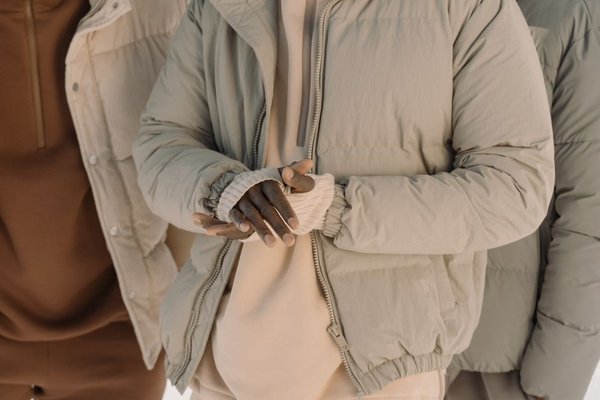
British spring has a habit of changing the dress code halfway through the day. A bright morning can turn breezy by lunchtime, while a mild afternoon may end with drizzle at the bus stop. The answer is not to carry a winter coat until June. The most useful spring layering trends make an outfit adaptable, with lighter pieces that can be removed or rearranged easily.
Think in functions rather than simply adding more clothes: a comfortable base, an adjustable middle layer and outerwear that responds to wind or rain. The outfit should still look considered when one layer comes off.
Dress for the whole day, not the morning forecast
Spring weather is changeable because mild and cold air can move across the UK in quick succession. Sunshine feels warmer when you are walking than when you are standing on a railway platform. Check the hourly forecast, particularly wind and rain, rather than just the day’s highest temperature.
Build the outfit around your plans. A short walk to the shops needs less insulation than a long outdoor commute. If the forecast is uncertain, choose a middle layer that folds into your bag and an outer layer suited to the rain risk. This approach to changeable weather style beats dressing for the warmest hour.
The spring layering trends worth borrowing
Relaxed trenches over slim, soft layers
The trench remains useful in UK spring, but feels fresh over a fine-gauge jumper, fitted top or neat cardigan rather than a bulky winter knit. A relaxed cut gives the shoulders room without making everything oversized.
Try a stone trench over a cream knit and straight-leg jeans, then add a printed scarf near the collar. Remember that a classic cotton trench may resist a light shower but is not necessarily waterproof. On wetter days, a breathable waterproof jacket makes more sense.
Shirts worn open as lightweight jackets
An oversized cotton or poplin shirt is one of the simplest spring layering ideas. Wear it open over a vest or T-shirt on warmer afternoons, button it up when the breeze arrives, or slip it under a jacket if temperatures drop. Blue stripes, pale neutrals and white work well with denim.
Let the shirt be slightly loose, then balance it with straight trousers or a narrower skirt. A heavy overshirt is useful too, but lighter cotton is easier to pack and less stuffy indoors.
Cardigans that act like styling pieces
Instead of hiding a cardigan, make it visible. A fine cardigan buttoned near the centre over a plain top creates shape; worn open, it softens tailoring. A short cardigan can also sit over a longer shirt, allowing the hem to show.
For transitional spring outfits, seek a knit that holds its shape without feeling thick. Cotton blends or lightweight merino may work, depending on how warm you run. Avoid stacking loose jumpers beneath a narrow jacket.
Soft tailoring with practical outerwear
A blazer over a lightweight knit is polished enough for an office but flexible enough for coffee afterwards. Recent layered styling also plays with upturned collars and narrow scarves, giving simple tailoring personality. A silk-style scarf is primarily an accent, not a replacement for warmth.
Pair a navy blazer with a fine grey jumper and dark jeans, then take a compact raincoat if showers are forecast. The contrast between smart tailoring and weather protection feels distinctly British without requiring a new wardrobe.
Light layers with a touch of colour
Spring need not mean replacing every dark item with pastels. Try a butter-yellow cardigan with charcoal trousers, a sky-blue shirt beneath a beige coat or a berry-coloured scarf against navy. A calm base helps several visible layers feel coordinated.
Texture brings interest too: a crisp shirt beside a soft knit, or smooth outerwear over ribbed cotton. These combinations create depth without the weight of thick fabrics.
Three outfit formulas for a typical UK week
For a mixed-weather commute
Imagine leaving home on a chilly Manchester morning, travelling on a warm tram and walking back in light rain. Start with a breathable T-shirt, add a thin cardigan and finish with a hooded waterproof shell. Straight-leg trousers and water-resistant shoes make the journey easier. The cardigan can go into a tote during the warmest hours.
For a casual Saturday
Choose a striped long-sleeved top, an unbuttoned cotton shirt and a light utility jacket. Jeans and comfortable trainers keep the look easy. If sunshine arrives, remove the jacket and keep the shirt as your outer layer. This is light layering at its most useful: each item works alone.
For an office-to-evening plan
Wear tailored trousers with a sleeveless base, a fine knit and a relaxed blazer. Add a compact umbrella rather than trusting the blazer in a downpour. Remove the knit indoors, then put it back on for the journey home without changing the silhouette.
Choose fabrics that work together
Fabric and fit matter as much as layer count. Cotton jersey feels comfortable against skin; fine wool gives warmth without the bulk of a chunky jumper; a waterproof shell protects against showers. Breathability varies by construction, so ‘lightweight’ does not automatically mean cool.
Check sleeves and shoulders when trying pieces together. If the inner shirt bunches or the jacket pulls across the back, size or cut is working against you. Build around versatile spring capsule wardrobe essentials that pair with several outfits.
Small adjustments that make layers look intentional
Keep one piece structured and another relaxed. A loose trench works with a neater knit; wide-leg trousers balance a shorter cardigan. Show a little of the inner layer at the neckline or hem rather than hiding it completely.
Carry capacity matters too. A crossbody bag may not hold a removed jumper. If you travel between heated interiors and breezy streets, a roomy tote may be more useful than another jacket. For fresh combinations, explore trench coat outfits and simple ways to style a scarf using what you own.
Spring layering FAQs
How many layers should I wear in UK spring?
Two or three adaptable layers often work: a base, an optional knit or shirt and weather-appropriate outerwear. Wind, activity and personal comfort matter more than a fixed number.
What is the best jacket for unpredictable spring weather?
A lightweight waterproof with a hood is the safest option when rain is likely. A trench, denim jacket or blazer works in drier conditions, especially with a removable knit.
Can I layer without looking bulky?
Yes. Choose thinner base and middle layers, avoid stacking oversized garments and check that the jacket fits through the shoulders. Contrasting lengths and textures add interest without thickness.
Are spring layers suitable for warmer afternoons?
Yes, when you can remove them easily. An open shirt over a T-shirt or a cardigan beneath a jacket lets you adapt as sunshine, indoor heating and wind change.
Make flexibility the defining detail
The strongest spring layering trends are not about wearing every fashionable piece at once. They make reliable garments work harder. Start with your actual journey, choose an adjustable mid-layer and let outerwear match the forecast. You’ll be ready for a bright lunchtime, a cold platform and the surprise shower, without dressing for three seasons.