
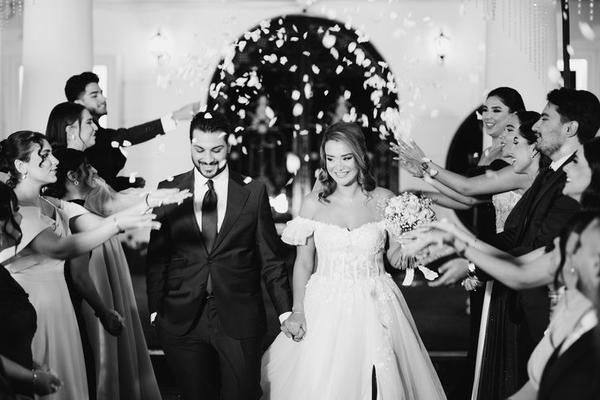
Wedding invitations often arrive in clusters, and in the UK the busiest stretch usually falls between late spring and early autumn. That makes choosing wedding guest outfits in 2026 less about finding a single show-stopping dress and more about building a look that works for the venue, dress code and unpredictable British weather. This year, expressive colour, elegant longer lengths, draped shapes and polished separates all feel current, but practicality still matters.
Start with the invitation, not the trend
Before shopping, read the invitation carefully. A wedding guest dress code should always outrank a fashion trend. Black tie generally calls for an evening-level look, often a floor-length or very refined midi dress, while formal and semi-formal weddings allow more flexibility. For a relaxed country, barn or garden wedding, a polished midi, jumpsuit or tailored separates can feel more natural than full eveningwear.
If no dress code is listed, use the venue, ceremony time and couple’s style as clues. A stately-home wedding at 3pm suggests a more dressed-up outfit than a laid-back ceremony followed by a pub reception. If you are genuinely unsure, asking the couple or someone in the wedding party is better than guessing.
The 2026 silhouettes that suit wedding season
Longer hemlines are a strong direction in 2026, which makes fluid maxis, column dresses and draped midis especially useful for weddings. Knotted or softly ruched details add shape and movement while remaining comfortable through a long ceremony, meal and evening reception.
There is also more freedom around non-dress options. A beautifully cut trouser suit, wide-leg trousers with a refined blouse, or a coordinated skirt-and-top set can look just as special. Satin, crepe, silk blends, jacquard and structured tailoring usually read more occasion-ready than everyday jersey.
Colour feels more expressive in 2026
Spring and summer 2026 fashion has leaned into lively colour, soft pastels and bold prints. Icy pink, lilac, butter yellow, blue, green and red accents can all feel fresh, while romantic prints remain reliable for garden and country weddings. If you prefer something quieter, navy, chocolate, olive or jewel tones are equally elegant.
White, ivory and very bridal-looking cream are still safest to avoid unless the couple has specifically requested them. Black is now much more accepted, particularly for evening, city and winter weddings, though colourful accessories can stop it feeling too severe at a bright summer celebration.
What to wear to a UK wedding in spring and summer
From May through August, breathable fabrics and adaptable layers matter as much as silhouette. A satin midi with a light tailored jacket, a printed maxi with a cropped cardigan, or a soft-coloured trouser suit can all move easily from ceremony to reception. Peep-toe shoes are back in the fashion conversation for 2026, but slingbacks, refined flats and block heels are often more practical on grass, gravel or cobbles.
For an outdoor wedding, check the forecast on the morning of the event and plan for a temperature drop after sunset. A neat trench, lightweight coat, pashmina or structured blazer can be far more useful than a purely decorative layer.
How to build an autumn wedding outfit
An autumn wedding outfit can be richer in colour and texture without becoming wintry. Burgundy, forest green, plum, navy, bronze and deep floral prints work well from September into November. Heavier crepe, satin, jacquard and subtle velvet details add depth, while sleeves or tailored outerwear help with changeable weather.
A useful formula is a long-sleeved midi dress, closed-toe shoes and a tailored coat that looks intentional. If rain is likely, choose a heel that can cope with wet paving and avoid a very long hem that may drag on damp ground.
Let the venue solve the footwear question
One of the easiest ways to ruin a good outfit is to ignore the ground under your feet. For a country-house lawn, block heels, wedges or elegant flats are safer than narrow stilettos. For a city hotel, a finer heel is easier to manage. For a church followed by a marquee, choose shoes you can comfortably wear for several hours.
Imagine a July wedding in the Cotswolds: the ceremony is indoors, drinks are on grass and the evening reception is in a marquee. A draped midi in saturated blue or pink, a low block heel, compact clutch and lightweight blazer will usually serve you better than a floor-skimming gown with delicate stilettos. That real-world test is worth applying before buying anything new.
Accessories should support the outfit
If your dress has a strong print or dramatic draping, keep jewellery and the bag relatively simple. If you are wearing a clean column dress or tailored suit, sculptural earrings, an interesting clutch or a statement shoe can provide the focal point.
Hats and fascinators remain suitable for some formal British weddings, especially traditional daytime ceremonies, but they are no longer automatic. Let the venue and invitation guide you. Rental fashion is also useful if you have several weddings close together, allowing you to vary your look without buying a new statement piece for every date.
Make one outfit work for several weddings
During the May-to-September rush, a versatile base outfit can save money and wardrobe space. A jewel-tone midi, elegant printed maxi or sharp trouser suit can be restyled with different shoes, bags, jewellery and outerwear. Metallic accessories can make it evening-ready, while a colourful clutch or lighter layer can shift the same piece towards a garden wedding.
FAQs
Can a female wedding guest wear black in the UK?
Yes. Black is widely worn at modern UK weddings, particularly for evening, city and winter celebrations. For a very traditional or brightly themed summer wedding, a softer colour may suit the occasion better.
Is it acceptable to wear white with a print?
If the outfit still reads mainly white, ivory or bridal in photographs, choose something else unless the couple has approved it. A colourful print with only small amounts of white is less likely to cause concern.
What should I wear to a summer wedding if rain is forecast?
Keep the main outfit summery but add a tailored light coat or blazer, practical shoes and a compact umbrella. Avoid very long hems that may drag on wet grass or paving.
Do I need to wear heels to a wedding?
No. Smart flats, slingbacks, low heels and block heels can all look wedding-appropriate. Comfort matters because weddings often involve long periods of standing, walking between spaces and dancing.
Choose an outfit you will enjoy wearing
The best wedding guest look is not simply the most fashionable option in the room. It should respect the couple’s wishes, suit the venue, handle the season and still feel like you. In 2026, there is plenty of room for colour, draping, longer silhouettes, polished tailoring and expressive accessories. Build around comfort and context first, then add the trend element that makes the outfit feel current.